

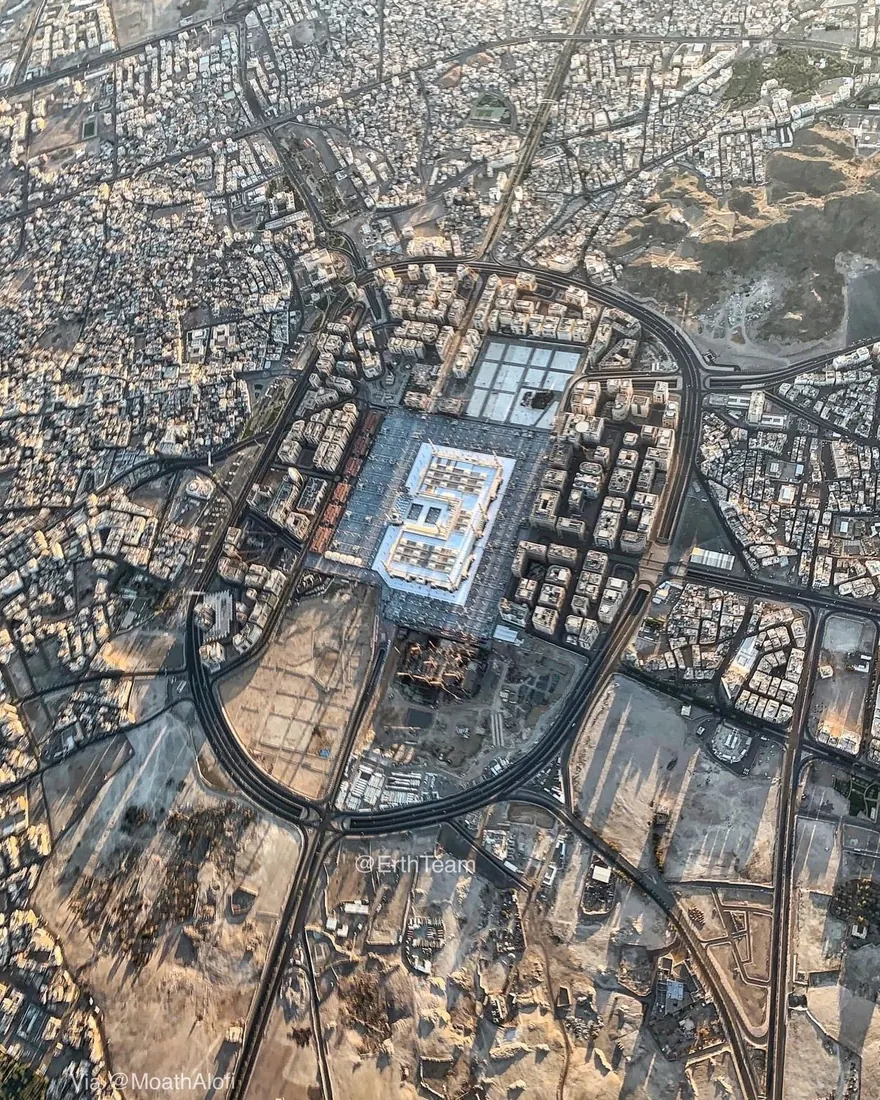
In the first half of 2025, something happened that many developers still haven't registered. The value of residential transactions in Madinah jumped 49% year on year, with deal volumes up 38%. That number alone puts the city at the top of all Saudi cities — ahead of Riyadh, Jeddah, Makkah, and the Eastern Province in growth rate. Arab News
And in January 2026, the law allowing non-Saudis to own real estate came into force. The law opens ownership to non-residents within defined zones, with special conditions in Madinah and Makkah restricting ownership to Muslims only, under additional terms. Sands Of Wealth
Together, these two facts create an unprecedented scene in the market. But the scene doesn't read itself — it needs someone who understands it.
In this article, I'll try to lay out what I see with a field eye, not a promotional one.
The number that deceives
49% growth in transaction value is a tempting number. But anyone who reads it and concludes "get in fast" makes two mistakes at once.
The first mistake: transaction growth doesn't necessarily mean prices grew at the same rate. The number measures market activity (how many sales happened), not market profitability (how much the asset's real value increased).
The second mistake: the aggregate average hides sharp differences between districts. One district rises 80% while its neighbor holds flat or declines, and the average comes out as an attractive number that misleads anyone who doesn't read the details.
Whoever enters the Madinah market now on the strength of the headline number enters on enthusiasm, not analysis. And in my professional life, I have never seen enthusiasm make a good deal.
What actually moves the market?
Three main drivers are at work in the background, and understanding them matters before any decision:
Driver one: structural, not seasonal, demand. Madinah is not a passing tourist market. It is a market of continuous demand fed by: visitors to the Prophet's Mosque all year round, student housing at the universities (Taibah, the Islamic University, Taibah campuses), and local population growth. This demand doesn't swing with economic cycles the way Riyadh's or Jeddah's markets do.
Driver two: expected supply scarcity. Knight Frank projections indicate Madinah will add about 27,860 residential units by 2028, bringing its total stock to 381,200 units. That number matters: the added supply is relatively limited against growing demand, and that is what keeps upward pressure on prices. Arab News
Driver three: the legislative shift. Reports point to strong international interest from wealth holders in Makkah and Madinah assets. Even with the religious restrictions on ownership, indirect investment structures (real estate funds, partnerships, local entities) will open doors for new capital that will press on the local market. IMARC
What the official report doesn't say
Published real estate reports offer valuable data, but they treat the market from a macro angle. I work in the field every week, and I see what doesn't show up in the reports:
First: the market splits into three markets moving at different speeds.
- The zone closest to the Haram: very expensive, slow-moving, high rental yields but hard to enter
- The mid-tier districts (Al-Aziziyah, Al-Difaa, Al-Seeh): the most active right now — varied opportunities, sustainable growth
- The emerging zones (Al-Hijrah, Al-Shuhada, Al-Azhari): big development opportunities, but they need patient capital
Many investors enter the market without deciding which zone serves their strategy. So they pay zone-one prices and collect zone-three returns.
Second: construction costs have risen in ways that go unpublished. Between 2023 and 2026, the cost of building materials and labor in Madinah rose between 22% and 30% depending on project type. That number doesn't appear in "property price" reports, but it quietly eats the developer's margin. Any opportunity file that doesn't price this increase accurately is building imaginary returns.
Third: development timelines have stretched. The project that used to be delivered and marketed in 18 months realistically needs 24 to 30 months today, under pressure on approvals and the supply chain. A single month's delay on a mid-size development project costs more than 3% of expected return.
Three questions before entering
If you're thinking about entering the Madinah market now, I recommend answering three questions before opening any specific opportunity file:
Question one: what is the nature of my target demand? Am I targeting Haram visitors (furnished units, short-cycle returns)? The resident family (mid-range residential units, long returns)? Or the investor looking to resell (fast development)? Each answer sets a different geographic zone, a different unit size, and a different financing structure.
Question two: how patient is my capital? The current market rewards patient capital and punishes whoever rushes the exits. If your investment horizon is under 36 months, you're dealing with the speculation market, not the development market. And they are two different markets.
Question three: who is my local partner? The Madinah market is a relationships market as much as a numbers market. The difference between the opportunity file reaching you before it's shown to everyone, or after it has passed through ten hands, is a difference of relationships, not intelligence. Whoever lacks a local partner to open the door enters the market late, always.
What I expect in the coming months
I don't like answering with "it will rise" or "it will fall" — those are forecasters' answers, not analysts'. But if you ask me what to watch, here are three observations I see clearly:
First, the legislation hasn't settled yet. The geographic-zoning document defining the areas open to foreigners is still being finalized through the first quarter of 2026. Any investor acting on today's reading of the law may be surprised by shifts in its interpretation over the coming months. Sands Of Wealth
Second, the emerging districts are where the smart opportunities will appear. Prices in the traditional districts have reached levels that make entry hard for anyone seeking growth rather than stability. The intelligence now is in reading the districts preparing to grow — not the ones that have peaked.
Third, the market will reward the professional and punish the amateur. The past years were forgiving of mistakes — the market was rising and lifting every mistake with it. The coming years won't be. The difference between an opportunity file written with precision and one written with enthusiasm will show in the numbers, not the talk.
A practical takeaway
Madinah is a promising market, but not an easy one. The headline number (49% growth) hides many details that separate a good decision from a losing one. Whoever enters on the excitement of big numbers exits with expensive lessons. And whoever enters with an opportunity file written in the light of real local knowledge enters the right place at the right time.
The market doesn't reward whoever arrives first. It rewards whoever understands first.